

Beverage Trends 2026: The Drinks Redefining Hotels, Bars and Restaurants
There was a time when the beverage menu was relatively predictable.
Coffee in the morning, juice with breakfast, beer beside the pool, wine with dinner, or cocktails after dark.
And somewhere near the bottom of the menu, perhaps one or two mocktails for guests who did not drink alcohol.
That world is disappearing.
Some of hospitality's most exciting innovation is now happening inside the glass.
Bartenders are working with ingredients once associated almost exclusively with the kitchen.
Restaurants are designing complete non-alcoholic pairing menus.
Tea is becoming a nighttime social ritual.
Vegetables are appearing in cocktails.
Fermentation is moving from production method to flavor-building technique.
Consumers are asking drinks to provide energy, hydration, mood support or recovery.
And even the size of the cocktail is changing.
For hotel owners and operators, the opportunity is significant.
The beverage program is no longer simply something guests order alongside the experience.
The beverage can become the experience.
Trend 1: Drinking Less Does Not Mean Spending Less
Perhaps the most important shift in beverages is moderation.
Consumers are not necessarily abandoning alcohol altogether.
They are becoming more selective about when, how much and what they drink.
NIQ's 2026 hospitality research found that more than half of consumers are moderating alcohol consumption. One in five consumers chooses no- or low-alcohol products when moderating, while nearly 70% of cocktail drinkers also enjoy alcohol-free versions.
This is commercially important.
The traditional bar assumption was:
No alcohol = lower spend.
That does not have to be true.
A sophisticated zero-proof cocktail can command premium pricing when the guest perceives:
Craft.
Complexity.
Presentation.
Premium ingredients.
Ritual.
Service.
The problem was never that non-drinkers refused to spend money.
Often, hospitality simply gave them nothing worth spending money on.
The Mocktail Is Dead. Long Live the Zero-Proof Drink.

The word mocktail increasingly feels inadequate.
It implies imitation.
A lesser version of something else.
The strongest non-alcoholic programs are creating original beverages using:
- Tea.
- Fermentation.
- Botanicals.
- Roots.
- Savory ingredients.
- Tannins.
- Smoke.
- Acidity.
- Bitterness.
- Spices.
- Texture.
- Carbonation.
James Beard Foundation-recognized chefs and operators expect zero-proof drinks to continue developing around ingredients such as gentian, seaweed, capsaicin, distilled smoke, miso and nori, giving alcohol-free beverages more structure and savory complexity.
That is a completely different beverage proposition.
Trend 2: The Rise of the Savory Cocktail

For years, cocktails leaned heavily toward sweetness.
- Fruit.
- Syrups.
- Liqueurs.
- Juice.
- That balance is changing.
- Savory drinks are moving into the center of contemporary cocktail culture.
- Think:
- Tomato.
- Miso.
- Seaweed.
- Olive.
- Mushroom.
- Pepper.
- Herbs.
- Koji.
- Fermented vegetables.
- Salted syrups.
- Celery.
- Corn.
- Cheese-inspired flavors.
James Beard Foundation chefs specifically identified savory and culinary-driven cocktails as one of 2026's major beverage directions, with ingredients such as sorrel, koji, sea greens, ferments and shrubs moving from kitchen pantry to bar station.
Why does this matter?
Because savory drinks behave differently from sweet drinks.
They can:
Pair more naturally with food.
Encourage slower drinking.
Create umami.
Feel more sophisticated.
Reduce dependence on sugar.
And allow bars to connect more closely with the restaurant kitchen.
The bartender is becoming more like a chef.
What Hotels Could Do With Savory Drinks
Hotels have an advantage over standalone cocktail bars.
They already have access to:
Chefs.
Local produce.
Herb gardens.
Fermentation programs.
Specialty kitchens.
Regional ingredients.
Imagine:
A coastal hotel using seaweed and saline botanicals.
A Mexican resort using roasted corn, chile and hoja santa.
A Mediterranean hotel using tomato water, olive and basil.
A Japanese property using miso, shiso and yuzu.
A mountain lodge using mushrooms, pine and herbs.
That creates a beverage program connected to place rather than another generic cocktail list.
Trend 3: Mini Cocktails Are Becoming a Serious Format
One of the most commercially interesting trends of 2026 is also one of the smallest.
Mini cocktails.
NIQ identifies mini Martinis, small Negronis, half-pours and curated tasting flights as a growing on-premise opportunity.
The appeal is remarkably practical.
A smaller drink allows guests to:
Try more flavors.
Moderate alcohol.
Spend less per individual serve.
Keep Martinis cold.
Pair several drinks with different courses.
Sample premium spirits.
For operators, mini drinks offer another advantage:
Premiumization without sticker shock.
A guest may hesitate at a $28 full-sized cocktail.
They may happily order three $12 mini cocktails as a flight.
Suddenly:
The guest experiences more.
The bar showcases more creativity.
The total check can still grow.
Sample Hotel Concept: The Three-Martini Journey
Instead of one Martini:
THE MARTINI JOURNEY
Classic
Gin, dry vermouth, lemon.
Coastal
Gin, saline vermouth, sea botanicals.
Garden
Vodka, basil, olive oil.
Three small serves.
One experience.
That is more memorable than one large drink—and considerably more shareable.
Trend 4: Root Vegetables Are Moving Behind the Bar

Root vegetables may sound like an unlikely beverage trend.
Yet they make sense.
Ube.
Taro.
Beet.
Carrot.
Sweet potato.
They deliver exactly what many contemporary beverages need:
Color.
Texture.
Earthiness.
Natural sweetness.
Cultural identity.
Innova Market Insights identifies root vegetables among the major opportunities in its 2026 beverage flavor outlook.
Ube has become the most visible example.
Its purple color and subtly sweet, nutty flavor have moved from Filipino desserts and bubble tea into mainstream coffee culture.
But the broader opportunity is much larger.
Beet works with mezcal.
Carrot works with gin and tequila.
Sweet potato works with rum and bourbon.
Taro works in creamy drinks.
Vegetables allow beverage programs to create flavor without relying exclusively on fruit.
Trend 5: Citrus Is Escaping Lemon and Lime
Every bar needs lemons and limes.
But bartenders have used them for decades.
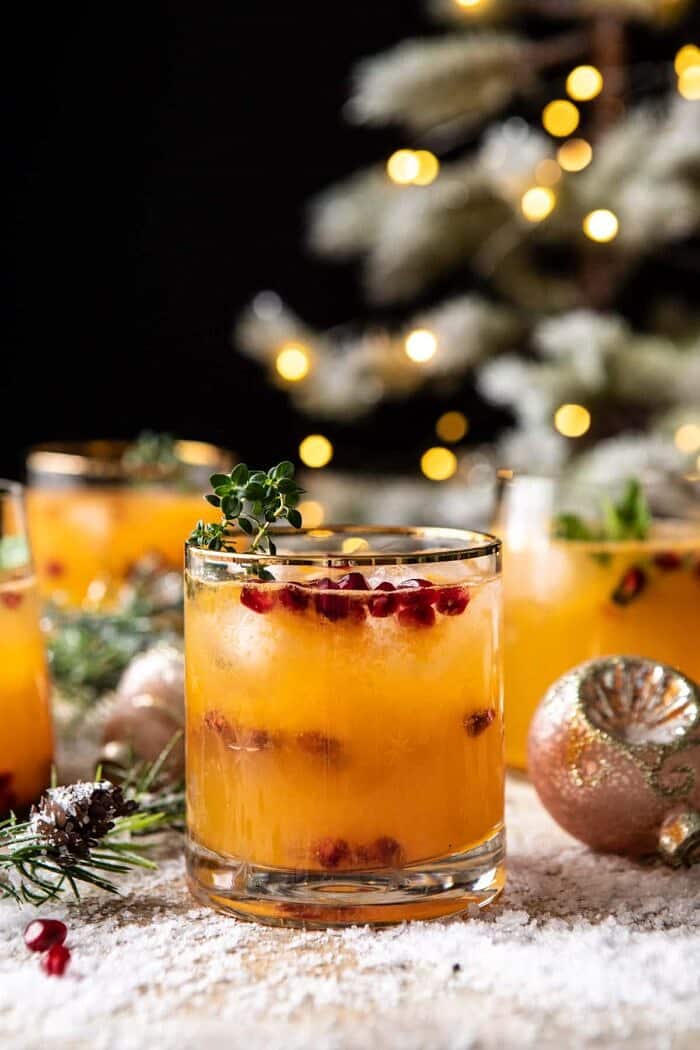
Guests are now discovering a wider citrus universe.
Yuzu
Aromatic, floral and somewhere between lemon, mandarin and grapefruit.
Calamansi
Small Filipino citrus with bright acidity and mandarin-like notes.
Kumquat
Sweet skin, tart center and a touch of bitterness.
Sudachi
Sharp, aromatic Japanese citrus.
Makrut Lime
Known particularly for intensely fragrant leaves.
Innova specifically points to East and Southeast Asian citrus as a key area of beverage flavor exploration in 2026.
For hotels, the opportunity is not simply replacing lime with yuzu.
It is using citrus as cultural storytelling.
Trend 6: Fermentation Moves Beyond Kombucha
:max_bytes(150000):strip_icc()/lacto-fermented-apple-sherbet-720x720-primary-1a8356664f794fb5bed2bd8be2e17c14.jpg)
Fermentation may be one of the oldest beverage technologies in human history.
Yet it feels newly relevant.
Kombucha helped introduce mainstream consumers to fermented drinks.
Now menus are exploring:
Water kefir.
Koji.
Tepache.
Fermented tea.
Shrubs.
Cultured fruit.
Fermented grains.
Botanical ferments.
The appeal is partly functional, but for chefs and bartenders, fermentation is primarily exciting because it creates flavor.
Microorganisms can transform sugars into acids and other compounds, producing:
Sourness.
Umami.
Complexity.
Texture.
Aromatics.
Dryness.
James Beard Foundation chefs specifically point to intentional fermentation as a key culinary movement, while the National Restaurant Association places fermented and gut-friendly drinks among its leading beverage trends for 2026.
One important caution:
Fermented does not automatically mean probiotic.
Hospitality operators should be careful about health claims unless the finished beverage actually supports them.
The drink should taste excellent first.
Trend 7: Functional Drinks Become the New Wellness Menu
Beverages are no longer expected merely to hydrate.
Consumers are treating them as tools.
Energy.
Focus.
Mood.
Recovery.
Digestion.
Hydration.
Relaxation.
NIQ says functional drinks are expanding across energy, hydration, gut health and wellness, while consumers are paying closer attention to transparency, performance and convenience.
At Expo West 2026, NIQ observed innovation across:
Prebiotic sodas.
Mushroom beverages.
Matcha.
Non-alcoholic mixers.
Hydration products.
Drinks positioned around energy and mood.
This is particularly relevant for hotels because beverage occasions happen throughout the entire guest journey.
The Hotel Functional Beverage Day
Imagine the beverage program organized around time rather than categories.
7:00 AM — WAKE
Matcha + citrus + electrolytes.
10:00 AM — FOCUS
Green tea + botanical blend.
1:00 PM — HYDRATE
Coconut water + minerals + calamansi.
4:00 PM — RECOVER
Protein + cacao + banana.
7:00 PM — SOCIALIZE
Zero-proof aperitivo.
10:00 PM — SLOW DOWN
Herbal tea ritual.
Now wellness extends beyond the spa.
It lives throughout the hotel.
Functional Does Not Mean Making Medical Claims
This category also requires discipline.
The beverage industry has begun confronting what some commentators call functional washing products implying benefits that exceed what their formulations or evidence can reasonably support. SIAL's 2026 trend analysis explicitly identifies this tension as wellness-oriented drinks proliferate.
Hotels should avoid statements such as:
“Cures anxiety.”
“Detoxifies your liver.”
“Boosts immunity.”
“Improves depression.”
unless those statements are substantiated and legally appropriate.
Better language centers on experience:
Refreshing.
Hydrating.
Energizing.
Designed for recovery.
A calming evening ritual.
Wellness credibility matters.
Trend 8: Tea Is Having a Completely New Moment

Tea may become one of hospitality's most underestimated opportunities.
It is escaping breakfast.
New teahouses are developing late-night, social and ritual-driven formats that appeal to guests looking for slower, more intentional ways to gather. Recent U.S. openings illustrate tea moving into evening lounges, modern social spaces and contemporary culture.
At the same time, tea is appearing in:
Cocktails.
Zero-proof drinks.
Sparkling beverages.
Desserts.
Pairing menus.
Tea naturally offers many of the properties beverage directors seek:
Tannin.
Aroma.
Bitterness.
Acidity.
Botanical complexity.
And almost no alcohol.
That makes it an excellent foundation for food pairing.
The Next Champagne Alternative May Be Tea
Sparkling tea is particularly interesting.
Tea already has structure.
Carbonation adds lift and occasion.
Serve it beautifully and suddenly it can occupy the same ritual space as sparkling wine.
Not because it imitates Champagne.
Because it offers:
Bottle service.
Glassware.
Celebration.
Food pairing.
Complexity.
Luxury.
A hotel could even create a proprietary sparkling tea in collaboration with a tea producer.
That becomes:
Welcome beverage.
Restaurant pairing.
Minibar product.
Retail item.
Wedding option.
VIP amenity.
One beverage.
Multiple revenue opportunities.
Trend 9: Visual Quality Is No Longer Optional
The Instagram cocktail once meant something theatrical.
Smoke.
Huge garnish.
Novelty glass.
Sometimes gimmick.
The new visual standard is more sophisticated.
NIQ describes presentation as table stakes in 2026, particularly among younger legal-drinking-age consumers. Premium ice, clean glassware, color gradients and precise garnishes communicate quality before the guest tastes anything.
The important point is:
Photogenic does not have to mean ridiculous.
A perfectly clear cube.
A beautiful coupe.
One extraordinary garnish.
A natural color.
A striking ceramic vessel.
Minimalism can photograph just as powerfully as spectacle.
Trend 10: Fewer Drinks, Better Drinks
More is not always better.
Hospitality is entering a period of greater menu discipline.
NIQ notes bars are rationalizing back-bar inventory and focusing on products that actually move rather than carrying endless underperforming SKUs.
The same philosophy should apply to drink menus.
Instead of:
47 cocktails.
Consider:
12 excellent signatures.
4 classics.
5 serious zero-proof drinks.
3 functional beverages.
3 local beers.
A curated wine program.
Tea.
Coffee.
This helps:
Inventory.
Training.
Consistency.
Speed.
Cost control.
Waste.
Storytelling.
Guests do not necessarily need more choices.
They need better choices.
Trend 11: Local Spirits Become Destination Storytelling
The National Restaurant Association includes locally sourced spirits among its major 2026 beverage trends, connecting demand to authenticity, craftsmanship and local economies.
Hotels are exceptionally well positioned to use this.
A resort in Mexico should ask:
Are we highlighting local mezcal?
Regional agave spirits?
Mexican rum?
Local wine?
Craft beer?
Small producers?
A property in the Caribbean could feature regional rum.
A Japanese hotel can showcase sake and shochu.
A Nordic property can explore aquavit.
A Greek resort can build around local distillates.
Travelers should not drink the same menu everywhere.
Trend 12: The Global Bar Is Getting More Global
Korean beverage culture is also influencing menus.
NIQ specifically identifies soju and broader Korean cultural influence as a 2026 hospitality opportunity.
But Korea is part of a larger story.
Guests are now encountering:
Japanese shochu.
Korean soju.
Mexican mezcal.
Filipino calamansi.
Japanese yuzu.
Filipino ube.
Latin American tepache.
Asian teas.
Middle Eastern botanicals.
Global ingredients are no longer isolated to restaurants serving those specific cuisines.
They are moving into mainstream hospitality.
And travel itself accelerates that process.
Guests taste something in Tokyo, Mexico City or Seoul.
They return home wanting it.
Trend 13: GLP-1s May Quietly Change the Bar
One of the newer developments to watch is the effect of GLP-1 medications and broader health-focused consumption.
Recent reporting based on National Restaurant Association research notes that health concerns are one reason younger consumers are reducing alcohol consumption, while operators are responding with wellness drinks, coffee, energy beverages and alcohol-free alternatives.
NIQ also links smaller cocktail formats partly to moderation and GLP-1 adoption.
It is too early to assume GLP-1s alone will redefine hotel bars.
But the underlying consumer direction is clear:
Smaller portions. Better quality. More choice. Less excess.
Hotels should be prepared.
Trend 14: The Hotel Bar Has an Advantage Standalone Bars Don't
NIQ's hotel-channel data is particularly revealing.
In premium and luxury hotels, more than 40% of visitors engage with wine, while cocktails show stronger engagement than in standard hotel visits.
But the hotel beverage opportunity is not only alcohol.
Hot coffee is purchased by 43% of hotel consumers in NIQ's data, followed by soft drinks at 35% and bottled water at 32%. Coffee and bottled water perform materially better in lodging than across other hospitality channels.
Why?
Because hotels own the entire day.
Morning.
Pool.
Lunch.
Afternoon.
Dinner.
Nightlife.
Room service.
Minibar.
Checkout.
Few other businesses have that many beverage occasions with the same customer.
The New Hotel Beverage Strategy Should Follow the Guest
Instead of managing beverages by department:
Restaurant beverage menu.
Pool menu.
Spa beverages.
Lobby bar.
Room service.
Minibar.
Hotels should consider the guest's beverage journey.
Arrival
Signature welcome drink.
Morning
Coffee, matcha or functional beverage.
Pool
Hydration + low-ABV drinks.
Lunch
Sparkling tea or spritz.
Afternoon
Cold tea or botanical drink.
Sunset
Signature cocktail.
Dinner
Wine or zero-proof pairing.
Night
Mini cocktail or digestif.
Room
Evening tea ritual.
That creates coherence.
What Should Hotels Actually Add in 2026?
A strong menu does not need every trend.
A hotel could begin with seven strategic additions:
1. ONE SIGNATURE ZERO-PROOF DRINK
It should be as sophisticated as the best cocktail.
2. ONE LOCAL-INGREDIENT COCKTAIL
Something guests could not order in another destination.
3. ONE SAVORY DRINK
Give the kitchen and bar something to create together.
4. ONE FUNCTIONAL MORNING DRINK
Simple, credible and easy to execute.
5. ONE MINI-DRINK FLIGHT
Build an experience and improve trial.
6. ONE SERIOUS TEA EXPERIENCE
Especially for afternoon or evening.
7. ONE HOUSE FERMENT OR SPARKLING BEVERAGE
Something proprietary enough to become part of the hotel's identity.
Seven innovations can transform a menu far more effectively than adding 30 random products.
Beverage Trends at a Glance

The Business Case: Drinks Can Be One of the Highest-Leverage Hotel Innovations
Hotels spend enormous money renovating:
Rooms.
Restaurants.
Pools.
Spas.
Bars.
But beverage innovation requires relatively little capital.
The right drink can:
Increase check averages.
Create social content.
Improve local traffic.
Strengthen restaurant positioning.
Sell to non-drinkers.
Extend dayparts.
Generate event concepts.
Support wellness.
Create retail.
Become a welcome amenity.
Strengthen brand recognition.
A hotel might spend millions designing an extraordinary lobby.
A $16 signature drink served in that lobby may be the thing a guest tells their friends about.
FerrConn Hospitality Insider Perspective
The strongest beverage trend of 2026 is not ube.
It is not yuzu.
It is not mini Martinis.
And it is not zero-proof cocktails.
It is the disappearance of the old rules about what a drink is supposed to be.
A vegetable can become a cocktail.
Tea can replace wine at dinner.
A Martini can become three tiny Martinis.
A non-alcoholic drink can cost as much as a cocktail because it is every bit as complex.
A beverage can be designed around recovery rather than intoxication.
A local ingredient can become a hotel signature.
A fermentation program can connect the kitchen with the bar.
And a guest who drinks less alcohol can potentially become more valuable, not less, if the property gives them enough interesting choices throughout the day.
That is the opportunity hotels should be paying attention to.
The future beverage menu should not ask only:
What would you like to drink?
It should ask:
What are you doing?
How do you want to feel?
What are you eating?
What time of day is it?
Where are you traveling?
And:
What could we serve you here that you would remember after you go home?
That is where beverage strategy stops being a list of liquids.
It becomes hospitality.
Sources & Further Reading
NIQ's 2026 hospitality research identifies moderation, mini cocktails, functional drinks, global influences and hotel-specific beverage opportunities as key movements shaping the on-premise market.
The National Restaurant Association's 2026 culinary forecast identifies energy drinks, locally sourced spirits, low/no-alcohol beverages, fermented drinks and personalized hydration among leading beverage trends.
The James Beard Foundation highlights savory cocktails, intentional fermentation and more sophisticated alcohol-free beverages among the culinary movements expected to influence restaurants in 2026.
Innova Market Insights identifies Asian citrus, root vegetables, fermentation and clean-label products among the major global beverage flavor opportunities for 2026.
NIQ's global REACH study is based on 34,500 consumers across 46 markets, providing broader context on how people are engaging with bars, restaurants and hospitality venues around the world.


