

Arizona's newest national park has 27-million-year-old rock formations, extraordinary hiking trails, and scenery that looks almost too good to be real.
America has a brand-new national park, and Arizona just gave us another reason to start planning a road trip.
Meet Chiricahua National Park, where enormous rock formations seem to defy gravity, landscapes look like something from another planet, and Mother Nature has apparently spent the last 27 million years perfecting her sculpture skills.
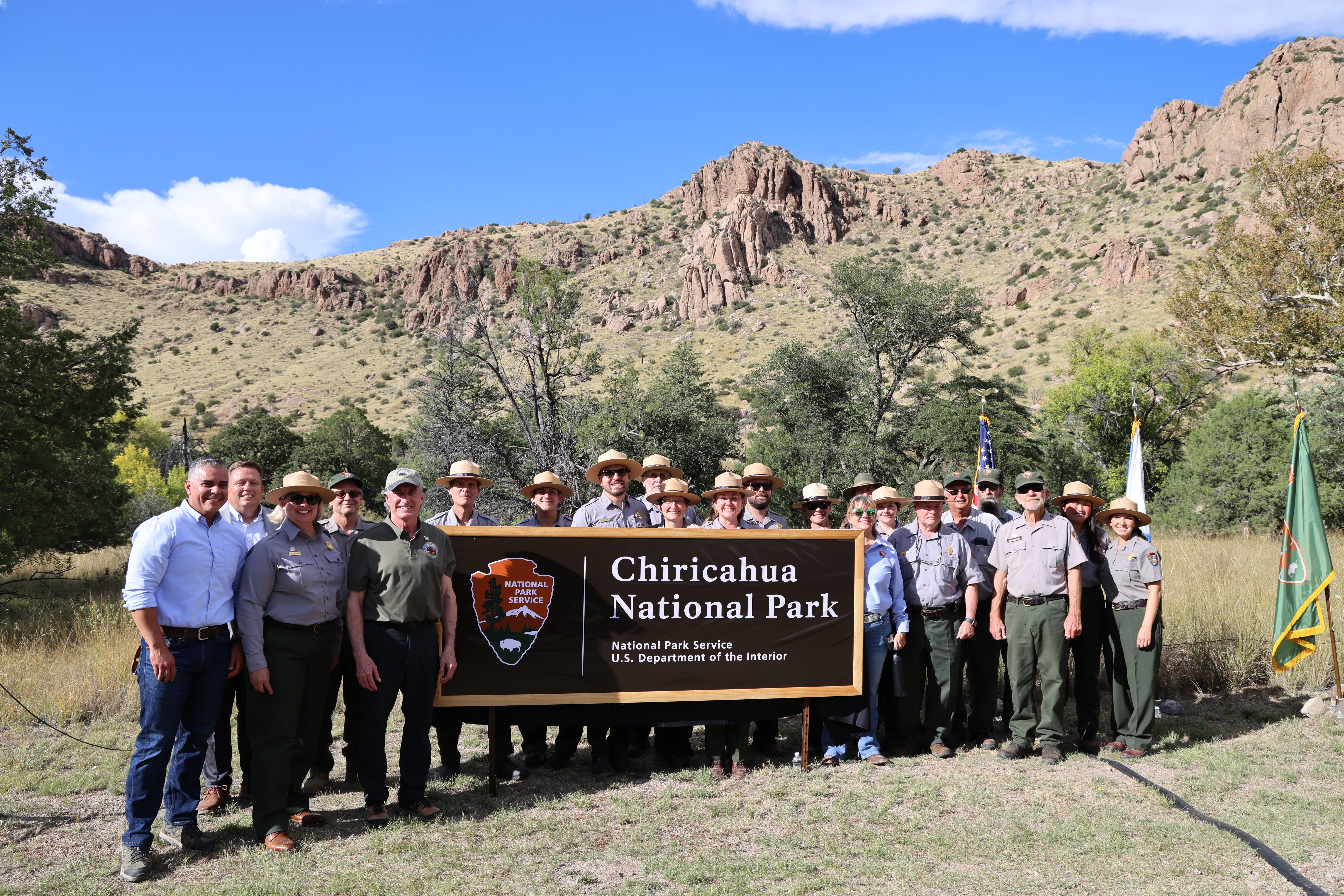
The best part? This extraordinary corner of Arizona has been hiding in plain sight for more than a century. Now, it finally has the national park title to match its scenery. On October 20, 2026, President Donald Trump signed the Chiricahua National Park Act into law, officially transforming the former Chiricahua National Monument into America's newest national park.
But before you start picturing a shiny new attraction with freshly built trails and a gift shop waiting for its grand opening, here's the twist: Chiricahua has been welcoming visitors since long before most of us were born. It was first protected as a national monument in 1924.
The designation is new. The magic has always been there.
Welcome to the Wonderland of Rocks
If you've ever wondered what would happen if a volcano erupted, nature took over, and millions of years passed without anyone disturbing the artwork, Chiricahua has the answer.
Located in southeastern Arizona, near the town of Willcox, the park protects approximately 12,000 acres of dramatic volcanic landscapes, including towering rock spires, narrow canyons, and enormous boulders balanced in positions that seem to challenge the laws of physics.
And yes, they're real.
The story begins roughly 27 million years ago, when a massive volcanic eruption covered the region in ash and volcanic material. Over time, erosion carved the hardened rock into the extraordinary formations visitors see today.The result is a landscape affectionately known as the Wonderland of Rocks, where every turn reveals another natural sculpture that looks like it deserves its own Instagram account.
But Chiricahua isn't just about the rocks. The park rises within the Chiricahua Mountains, part of a remarkable network of isolated mountain ranges known as sky islands. Here, desert landscapes meet grasslands and forests, creating habitats for an impressive variety of plants, birds, and wildlife.
One moment, you're surrounded by cactus-dotted scenery. A little farther along, oak and pine forests take over. Arizona certainly knows how to keep things interesting.
Five Reasons Chiricahua Deserves a Spot on Your Travel List
1. The Hiking Trails Are Worth Every Step
If there's one thing Chiricahua knows how to do, it's reward a good walk.The park features approximately 17 miles of hiking trails, ranging from relatively easy nature walks to more challenging routes through its spectacular rock formations.One of the highlights is the Echo Canyon Loop, a roughly 3.3-mile trail that winds through narrow passages, towering pinnacles, and some of the park's most photogenic scenery.Prefer something less ambitious? The shorter trails and scenic viewpoints offer plenty of opportunities to appreciate the landscape without committing to an all-day expedition. Comfortable shoes are highly recommended. So is having enough storage space on your phone for the photographs.
2. You Can Explore Without Spending the Entire Day Hiking
Not everyone considers a six-hour hike the perfect vacation activity. Fortunately, Chiricahua understands.The park's approximately eight-mile scenic drive leads visitors from the lower elevations toward Massai Point, one of its most impressive overlooks. Along the way, the landscape changes dramatically, revealing sweeping mountain views and striking rock formations.Massai Point is especially appealing for visitors who want to experience the park's extraordinary scenery without tackling its longer trails. Bring your camera. Actually, bring a fully charged phone, too.
3. The Wildlife Is Pretty Impressive
Chiricahua's location makes it an extraordinary place for wildlife enthusiasts, particularly birdwatchers.Because several ecosystems meet here, the park supports an unusually diverse collection of species, including birds more commonly associated with Mexico and the American Southwest. Birdwatchers travel to southeastern Arizona hoping to spot hummingbirds, colorful songbirds, and other species that thrive in the region's varied habitats. And even if you couldn't identify a bird beyond saying, "Look at that beautiful one," there's plenty to appreciate. Keep your distance from wildlife, stay on designated trails, and let the animals enjoy their home without unexpected visitors getting too close.
4. The Night Sky Deserves Its Own Vacation
Here's something city dwellers may have forgotten: the night sky is absolutely spectacular when artificial lights aren't competing for attention.Chiricahua's relatively remote location makes it an appealing destination for stargazing, especially on clear nights.
Imagine spending the afternoon exploring ancient volcanic formations, then looking up to find a sky filled with stars.
No reservations at a rooftop bar required. Visitors planning an evening under the stars should check park access information, weather conditions, and moon phases before heading out.
5. There's a Fascinating History Beyond the Landscape
Chiricahua's story extends far beyond its extraordinary geology. The region is part of the ancestral homeland of the Chiricahua Apache, whose history and cultural connections to these mountains remain central to understanding the area.The park also preserves Faraway Ranch, associated with families who settled in the region during the late 19th century. Together, these histories reveal how people have lived in, traveled through, and formed connections with this landscape across generations.It's an important reminder that America's national parks are not simply collections of beautiful scenery. They are places with cultural meaning, complex histories, and stories worth learning.
So, Why Is Chiricahua Becoming a National Park Now?
The change became official on October 20, 2026, when the Chiricahua National Park Act was signed into law.According to the National Park Service's official announcement, the redesignation recognizes the national importance of the area's natural and cultural resources.
It also brings greater visibility to a destination that has historically received less attention than some of Arizona's better-known attractions. And that's where things get interesting for travelers.
While the Grand Canyon has long dominated Arizona vacation wish lists, Chiricahua offers something entirely different: a quieter landscape of volcanic pinnacles, mountain ecosystems, and winding trails.The new designation may encourage more visitors to discover southeastern Arizona and the communities surrounding the park, including Willcox.Of course, a new title doesn't automatically mean new hotels, expanded facilities, or additional visitor services. The park's existing experiences will continue, with conservation remaining a central priority.
Planning a Visit? Here's What to Know
The park offers scenic drives, hiking trails, camping, birdwatching, wildlife viewing, and opportunities to explore its natural and cultural history. Because it's a relatively remote destination, a little planning goes a long way.
Bring water, check the weather, download maps before arriving, and remember that mobile service may be limited in parts of the park.
For current trail conditions, visitor information, camping details, and access updates, visit the official Chiricahua National Park website.
And if you're planning to visit with children or prefer shorter walks, check individual trail distances and difficulty levels before setting out.
Those spectacular rocks have been waiting millions of years; there's no need to rush through them.
America's Newest National Park Was Worth the Wait
Some destinations become famous because someone builds something extraordinary.
Others become extraordinary because nature has been quietly working on them for millions of years.
Chiricahua belongs firmly in the second category.
Its new national park designation introduces one of Arizona's most remarkable landscapes to a wider audience, but the real attraction hasn't changed. The towering rocks are still there, the mountain trails still wind through spectacular scenery, and the stories of the people connected to this land remain an essential part of its identity.
So, if you've been looking for an excuse to explore somewhere new, consider this your sign.
America has a new national park. And it has 27 million years of stories to tell.
Originally published by FerrConn Hospitality Insider


